DE
DE  EN
EN Care instructions for your hat
Hat lovers know that when choosing the right product it's not just the look that matters but also finding the right material. That's why we at Lierys.com only offer products manufactured from exquisite materials that meet the highest standards when it comes to quality and craftsmanship.
To make sure you can enjoy your new headgear and preserve the high quality and beautiful appearance of our products for a long time to come, we have put together this small reference work with specific care instructions for all of the materials we use. You will find a list of the most important information with regard to cleaning, washing instructions and drying for each and every raw material. If you follow our instructions and handle your new favourite headgear carefully, it will be with you for a long time and will look as beautiful in many years as it did when you first wore it.
Alpaca wool
Wool has a natural self-cleaning function and therefore absorbs odours and dirt very poorly. If you still need to clean a product made from alpaca wool, you should observe the following care instructions:
- Only wash textile products made from alpaca wool by hand in lukewarm water using a special wool detergent
- Fabric softeners should generally be avoided (as these could damage the wool fibres).
- To make sure the fabric stays beautiful for a long time and does not felt, we recommend moving the fabric back and forth in the water carefully and under no circumstances rubbing it too hard or crumpling it up.
- After washing, the fabric should be rinsed carefully but thoroughly with cold water so that there is no residue of the detergent.
- After washing, the fabric should be carefully rolled up in a hand towel.
- Then leave it laid out to air-dry.
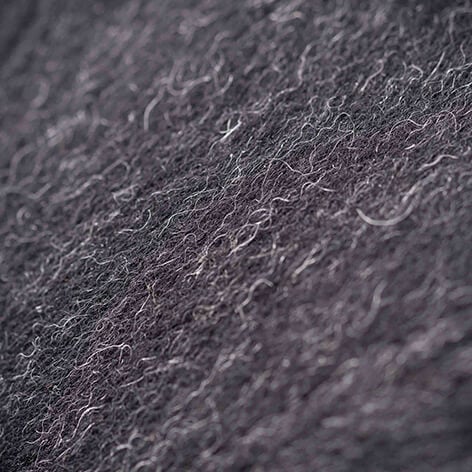
Cashmere
When washing and caring for cashmere, it is particularly important to pay attention to the following care tips:
- As a general rule, cashmere textiles should not be washed too often.
- It is advisable to leave the cashmere textile for a day after wearing it before washing it or hanging it back in the wardrobe.
- Cashmere is odour-repellent and therefore usually smells like new if left to air out overnight. This means that it is soft, fresh and cuddly again, as the fibres of the cashmere wool straighten out again.
- When washing, it should be noted that cashmere textiles should preferably be washed in the washing machine on a wool cycle. Washing by hand is not recommended, as this is usually not as gentle on the material.
- The textile should never be turned inside out and the washing machine should not be more than half full. The temperature should not exceed 30°C.
- If, however, you choose to hand-wash the item, we recommend using water that is at most lukewarm.
- To remove the rest of the moisture, the textile can be wrapped in a hand towel.
- Otherwise, cashmere can be dried in a tumble dryer on the cold air setting or laid out on a clothes horse with a hand towel underneath it.
- It is also advisable to store cashmere textiles laid flat rather than hanging up.
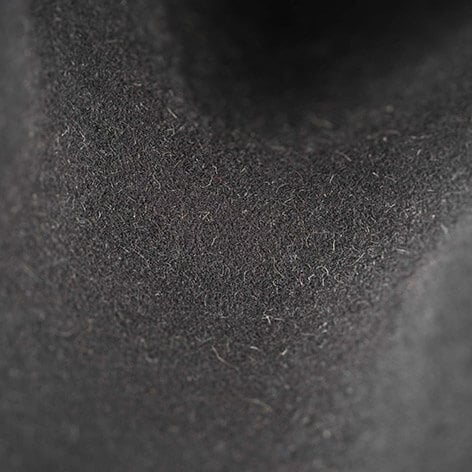
Cotton
There are some care instructions to bear in mind when dealing with textiles made of cotton:
- White textiles should only be washed with a heavy-duty detergent.
- Colourful textiles should be washed with a gentle detergent or detergents that do not contain optical brighteners.
- Only small quantities of softener should be used on coloured fabrics to maintain the absorbency of the cotton as far as possible.
- Delicate coloured fabrics should be washed at a maximum of 40°C, coloured fabrics at a maximum of 60°C and whites at a maximum of 95°C.
- After washing, the cotton textile should be stretched both vertically and horizontally. It should then be hung on the washing line after being spun.
- Cotton products should not be left damp for a long time.
- When drying in the tumble dryer, there is the risk of the textile shrinking. You must be careful of this.
- White cotton textiles should not be hung directly in very bright sunshine. The brighteners in the detergent could give the fabric a yellow tinge.
- Cotton can be ironed on the third level of a steam iron, ideally when the fabric has been dampened a little beforehand.
- However, care should be taken when dealing with mixed fibres, as ironing can cause man-made fibres to melt. In this case, select a lower temperature setting on the iron.
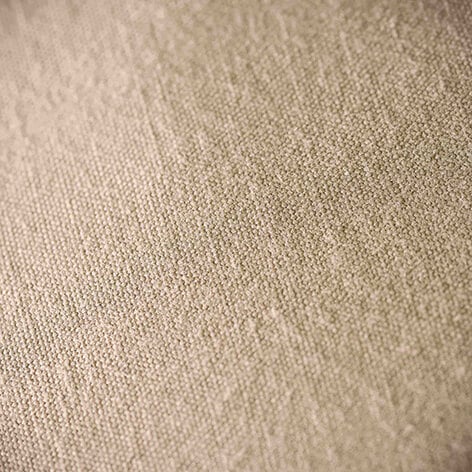
GORE-TEX®
GORE-TEX® is no longer used to make just conventional items of clothing – it is also used for shoes and headgear. There are some points to consider when it comes to looking after these textiles:
- When washing, the spin setting should be low and only a small amount of liquid detergent should be used.
- Powdered detergents, fabric softeners, stain removers and bleaching agents should not be used as these could hinder the functionality of the GORE-TEX®.
- To make sure the textile remains water-repellent after washing, it should first be dried. Then it should be put into the tumble dryer for around 20 minutes to reactivate the water-repellent surface.
- However, as the waterproof finish does not last forever, the waterproofing process should be repeated from time to time using a suitable care product.
Fur felt
The following care instructions must be observed when dealing with fur felt:
- Purely superficial soiling can be cleaned off using a brush or a damp cloth.
- It is also possible to carefully vacuum clean the fur felt when it is very dirty.
- It is also possible to hand-wash the item. To do this, the felt should be made wet and then carefully cleaned using shampoo or a heavy-duty detergent. The fur felt textile must then be thoroughly rinsed with water.
- After the fur felt product has dried, it can easily be pressed back into its original shape. Alternatively, you can carefully help the process along using a steam iron on a low setting.
Leather
There are many different kinds of leather which, due to their different structures, have to be looked after in different ways. We generally differentiate between suede and smooth leather. Even though the name suggests otherwise, smooth leather is not completely smooth: Most of the time the actual structure of the leather is still easy to see. Depending on the type of additional processing, smooth leather is divided up into three groups.
- Pure aniline leather is a particularly natural leather, which is what gives it its uniqueness. Only perfect animal hides without defects are used to manufacture this kind of leather. This gives the material a very high level of quality but leaves the untreated surface extremely prone to soiling. For this reason, only special cleaning agents should be used on pure aniline leather.
- Semi-aniline leather, on the other hand, is still quite natural but has been dyed more, which makes the pores of the leather less visible. Although this makes it easier to look after than pure aniline leather, you should still only use special cleaning agents on it.
- The third type of leather, pigmented leather, is both dyed and then coated with a varnish. This covers the pores so they can no longer be seen. This makes pigmented leather far easier to look after but also less natural.
Just like smooth leather, suede can be divided up into three sub-categories, all of which require different care:
- Nubuck leather is leather that has been sanded on the grain side to create a velvety surface. There are different care methods required depending on the degree of soiling. Leather or hat brushes are ideal for light soiling, dirt rubbers for moderate soiling, and water and soap to remove dirt when there is heavy soiling.
- Suede leather is leather that has been sanded on the flesh side to create a less extremely velvety surface. There are different care options depending on the type of soiling. A special dirt rubber is suitable for stains that have already dried on. If, on the other hand, the stain is still damp, it can be treated with baking powder and baking soda and then brushed out.
- The final type of leather is buckskin, where the entire grain structure has been sanded off. The term “buckskin” is also used as an umbrella term for all types of leather that are made from the hides of wild animals. There are special buckskin leather brushes with two sides to remove coarse dirt. If treatment with this type of brush is not enough, you can use a buckskin leather sponge, which has a similar effect to a rubber. Basic, regular care for the leather using a suede care product is also useful in order to not damage the material. For headgear, a conventional hat brush is often sufficient for basic care purposes.
Linen
The following tips should be observed when cleaning linen items:
- Before washing the linen product (regardless of whether it's by hand or in the washing machine), it should be soaked.
- The washing machine should only be half full.
- Do not use detergents that contain brighteners.
- Use neutral soaps, heavy-duty detergents or mild detergents.
- Linen products should be turned inside out before washing.
- Even though a maximum temperature of 40°C is generally recommended, it is always worth looking at the individual care label on the product itself.
- The washing should only be spun on the lowest level.
- Use a steam iron, as dry heat can damage the material.
- The sheen that comes from ironing linen can be avoided by turning the product inside out.
- Linen is not very stretchy, so it is prone to wrinkling. For this reason, linen should not be folded in the laundry, dried in a tumble dryer and, when travelling, it is best to wrap the linen in tissue paper.
- Before drying, the linen product should be pulled into shape a bit and hung out on the line when wet. Linen textiles should not be exposed to direct sunlight.
- Some linen textiles are suitable for tumble-drying. In this case, however, they should only be dried with a few other items and must be dried at a low temperature.
- Keep linen textiles separate from other items when washing them for the first time.
Merino wool
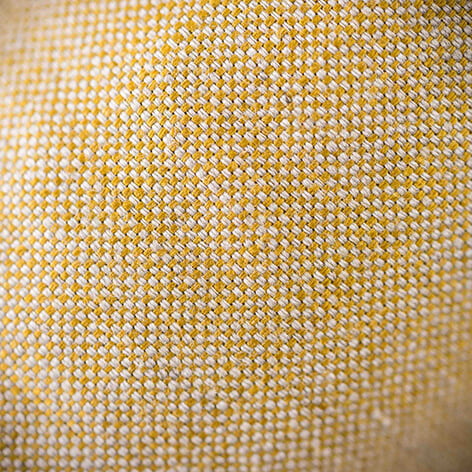
If you compare merino wool with conventional wool, you will notice that merino wool is far more easy to look after than conventional wool. There are, however, some care tips that you should consider:
- You can set the washing machine to a normal wash cycle and use a conventional detergent. The washing temperature should be between 3040°C.
- Avoid using special wool detergents, as these can damage merino wool. Bleaching agents and fabric softeners are also unsuitable for washing merino wool.
- Merino wool should not be tumble-dried after washing. We recommend hanging it out on a washing line, as merino wool is a material that keeps its shape well. Another option is to also lay the product flat and leave it to dry.
- To prevent pills from forming, it is advisable to machine-wash merino wool products with rough products from time to time.
Nubuck leather
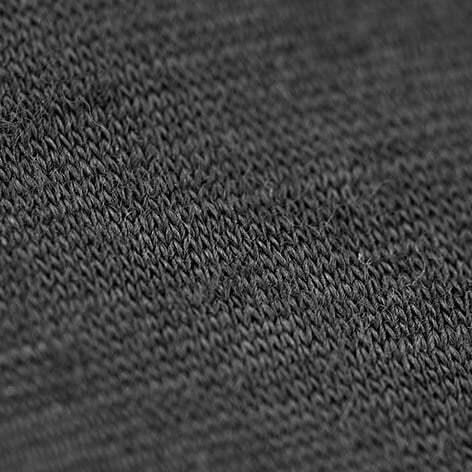
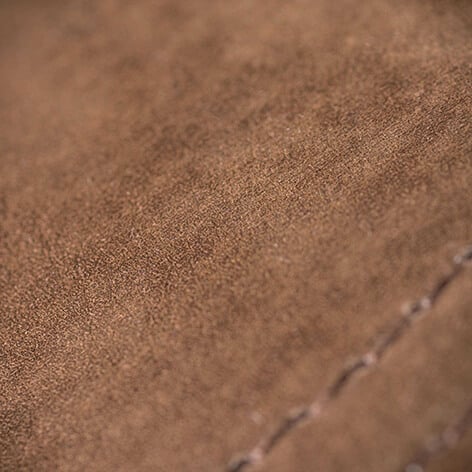
Nubuck leather is a type of leather that requires a lot of care and the following tips should be observed:
- To ensure UV protection, it is important to regularly waterproof items made from nubuck leather.
- Depending on how dirty the nubuck leather is, there are different ways of cleaning it.
- Raw rubber brushes, also called nubuck brushes, are very practical when the product is lightly soiled. In many cases, however, it is sufficient to use a good hat brush – especially if you are trying to remove a little dust from the nubuck leather or want to freshen the item up a bit. Despite cleaning with a brush, the special surface is wonderfully preserved.
- Dirt rubbers are particularly good for moderate soiling, for example, on stains. You should, however, rub very carefully so as to not damage the surface. There are also special cleaning agents that remove stains.
- If a nubuck leather product is particularly dirty, the leather should be carefully cleaned using water and a brush. If that alone is not enough, some soap can be used.
- There are also a few important things to consider when drying nubuck leather: The material should always be dried at room temperature and not in a room that is too warm.
- It is also advisable to stuff the nubuck leather product with newspaper so that moisture is absorbed from the inside.
Panama straw
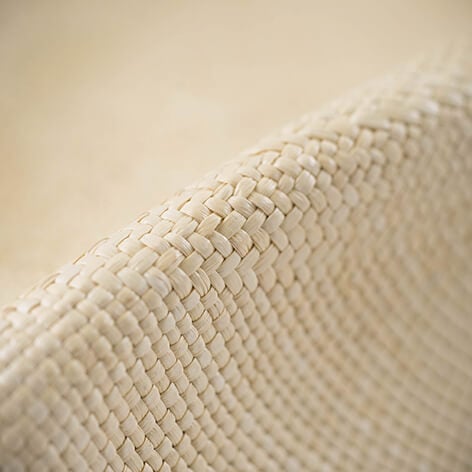
Although Panama straw is a relatively easy-care material, there are a few things to consider when looking after it:
- Headgear made from Panama straw is particularly suitable for weather conditions that are both damp and warm. However, Panama straw should not be exposed to direct UV radiation continuously or for too long, as this can cause it to shrink and fade.
- It is also not recommended to wear Panama hats in the rain or conditions that are too wet. This is because the water can quickly seep into the straw, changing the shape permanently, even after drying out.
Silk
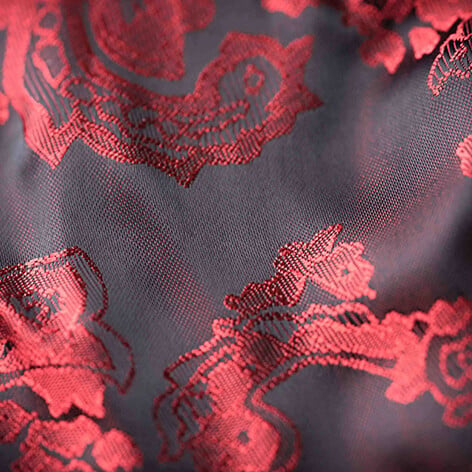
As silk is a material with a very high level of quality, it is particularly important to observe the following care tips:
- Textiles made of silk should only be hand-washed using certain silk detergents or other PH-neutral detergents. Firstly, the silk product should be soaked in lukewarm water for approx. 35 minutes. The product should then be moved slowly back and forth in the water, as wet silk is very sensitive. After a maximum of 5 minutes, the silk should be rinsed out with cool water. Adding a spoonful of vinegar helps to remove all detergent residue.
- When dealing with dark silk items, on the other hand, we recommend washing only in cold water without soaking the silk beforehand.
- After washing, it is advisable to leave the item to air-dry outside.
- When it comes to silk, it is generally advisable to wash it less frequently and to leave it hanging outside more often so that it can air out. However, it should be noted that silk should never be left in direct sunlight, as UV radiation damages silk.
- To iron the garment, turn it inside out and iron on a low setting when the item is damp.
- A colour change can occur quickly with damp silk. You should therefore make sure to avoid contact with sweat and deodorant.
Straw
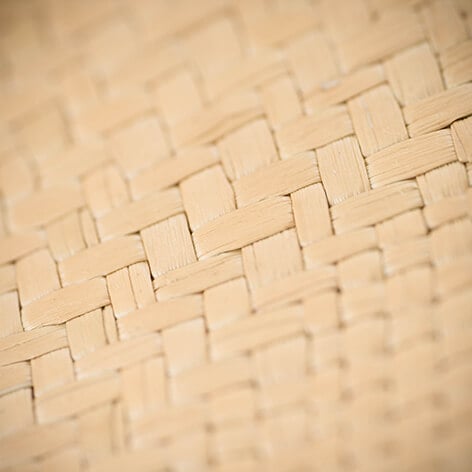
Although straw does not generally require any special care, you should note the following:
- To prevent the straw from losing its shape or becoming mouldy, it must be protected from moisture.
- When putting on a straw hat, you should never grab the peak too roughly – it is better to pick it up from both sides of the brim. This can prevent the hat from breaking.
- Straw hats often have a fabric lining band inside them. If this becomes dirty, clean it with a cloth dipped in white spirit.
Wool
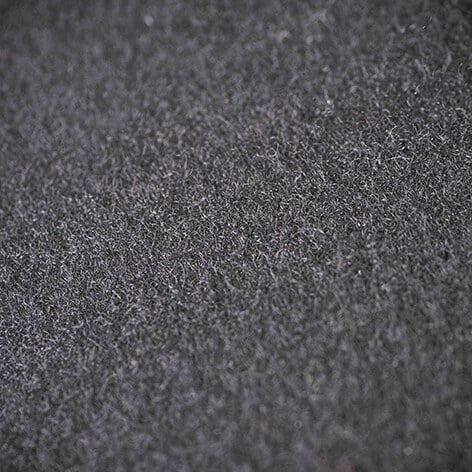
In order to properly look after your wool products, here are a few care tips you should pay attention to:
- Woollen textiles should only be hand-washed or washed at a maximum of 30°C using a wool detergent on a wool cycle.
- It is also important to turn the garment inside out to protect it.
- To prevent rubbing, you should not wring out wool textiles.
- After the washing process is finished, the textile must be rinsed with cold water. It can then be rolled up in a hand towel and the excess liquid squeezed out.
- Woollen products should not be dried in a tumble dryer, in the sun or on a heater. It is better to lay the textile out and leave it to dry on a clothes horse.
- When ironing with steam, only light pressure is required. If you prefer steam-free ironing, it is advisable to place a damp cloth over the woollen product to prevent the item from becoming shiny.
Wool felt
When looking after and cleaning wool felt, you should take into consideration the following:
- Superficial dirt can usually be easily removed using a damp cloth or a brush.
- If the felt is soiled with coarse dirt, careful vacuuming is also an alternative.
- If the product is more heavily soiled, it is possible to wash it by hand. To do this, the wool felt item should first be dampened. It should then be cleaned using shampoo or a heavy-duty detergent and then rinsed with water.
- When the felt has dried, the product can be carefully pulled or pressed into shape. If this isnt enough, lightly steaming the product with an iron can help.
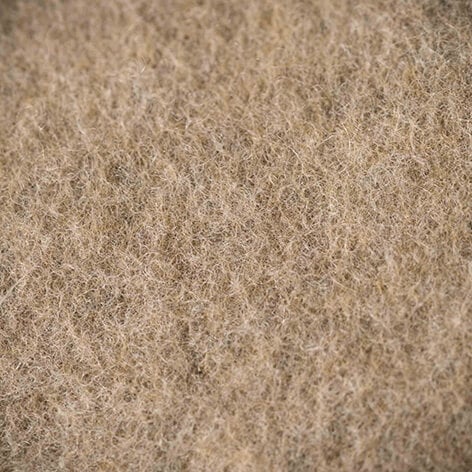
WOOLRICH®
Due to its natural self-cleaning function, the advantage of wool is that it absorbs dirt and odours poorly. However, should you need to clean a WOOLRICH® product, the following care instructions should be observed:
- Use a gentle wash programme or wash the WOOLRICH® product by hand.
- Wool is extremely sensitive to mechanical abrasion when wet. This means that the scales of the fibres can interlock with one another, causing the WOOLRICH® product to felt and shrink.